Things to Do in Vanuatu in February
February weather, activities, events & insider tips
Low Season · Budget Friendly
February Weather in Vanuatu
Long-run averages for February in Port Vila
88°F (31°C)
High Temp
73°F (23°C)
Low Temp
10.8 inches (274 mm)
Rainfall
86%
Humidity
15
Sunny-Day UV
⚠ February falls within Vanuatu's cyclone season, which runs November through April. Tropical cyclones can form rapidly in the Coral Sea and strike with destructive winds exceeding 150 km/h (93 mph), storm increase, and flooding. Monitor the Vanuatu Meteorology and Geo-Hazards Department forecasts daily, ensure your travel insurance explicitly covers cyclone-related disruption and evacuation, and have a plan for sheltering in a reinforced structure if a warning is issued.
⚠ Dengue fever transmission peaks during the wet season when mosquito breeding accelerates. Wear repellent from dawn through dusk, use bed nets if your accommodation lacks screens, and seek medical attention promptly for sudden high fever with severe headache or joint pain.
⚠ Heavy rainfall in February can cause flash flooding on Efate's ring road and the unpaved access roads to waterfalls and rural villages, making some routes impassable for hours after a downpour. If driving, do not attempt to cross flooded creek crossings, the current is stronger than it looks and the road surface beneath may have washed away.
Making the most of February in Vanuatu? Browse tours and activities in Vanuatu on GetYourGuide.
Is February Right for You?
Weigh the advantages and considerations before booking
Advantages
- + February is low season in Vanuatu. The reefs, waterfalls, and volcanic trails that draw visitors here belong mostly to you. Port Vila's waterfront restaurants have open tables at lunch. The snorkeling circuits off Hideaway Island and Tranquillity Island run with half-full boats. Accommodation rates across Efate drop noticeably from their July-August peaks. If you can handle the heat and the rain, you get a version of Vanuatu that the dry-season crowds never see. Worth it.
- + The ocean is at its warmest in February, hovering around 28-29°C (82-84°F). This is arguably the best month of the year for diving and snorkeling. Visibility can dip after heavy downpours. Between storms the water is bathwater-warm. The coral around Efate's fringing reef is alive with parrotfish, sea turtles, and the occasional reef shark. For certified divers, the SS President Coolidge wreck off Espiritu Santo, a 200 m (654 ft) luxury liner sunk during World War II, sits in water warm enough to dive comfortably without a full wetsuit.
- + February hosts one of the most singular cultural events in the entire Pacific. John Frum Day on Tanna Island is celebrated on February 15. There is nothing like it anywhere else on earth. It is a ceremonial gathering rooted in a cargo movement that has evolved into a proud assertion of Tannese custom and identity. Witnessing it reframes your understanding of how belief, colonialism, and resilience intersect in Melanesia. Go if you can.
- + The landscape in February is Vanuatu at its most intensely green. The wet season feeds every river, waterfall, and jungle canopy to bursting. Mele Cascades, a 35 m (115 ft) tiered waterfall about twenty minutes from Port Vila, runs at full volume in February. The pools beneath each tier are deep enough to swim in. The surrounding forest is so dense with ferns and banyan roots that the air feels ten degrees cooler the moment you step under the canopy. The lush growth also means fruit season. Mangoes, papayas, and lychees pile up at the roadside markets along the Efate ring road.
Considerations
- − February sits squarely in Vanuatu's cyclone season, which runs from November through April. This is the honest risk. A tropical cyclone can form with relatively short warning. When one hits, it disrupts everything. Flights cancel. Inter-island ferries stop running. Power goes out. Roads flood. Cyclone Pam in 2015 devastated much of the archipelago in March. The probability of a direct hit in any given February is not high. But it is not negligible either. You need travel insurance that explicitly covers cyclone disruption. You need a flexible itinerary that can absorb a lost day or two.
- − The humidity at 86% is relentless. Port Vila in February feels like breathing through a warm, damp cloth from about 10am onward. The heat does not ease much at night. The average low of 23°C (73°F) means sleeping without air conditioning is a sweaty negotiation with a ceiling fan. If you are heat-sensitive or have respiratory issues, February in Vanuatu will test your limits. Outdoor activities are best finished by mid-morning or saved for late afternoon. Pack light.
- − Inter-island travel becomes less reliable in February. The domestic flights connecting Efate to Tanna, Espiritu Santo, and the outer islands are operated by small aircraft that do not fly in heavy weather. A planned three-day trip to see Mount Yasur on Tanna can turn into a five-day trip if weather grounds flights. It might not happen at all. Ferry services between islands are similarly weather-dependent. February demands patience and contingency planning that dry-season travel does not. Build in buffer days.
Short on time in February? See day trips around Vanuatu on GetYourGuide.
Best Activities in February
Top things to do during your visit
Sailing and Snorkeling Day Cruises off Efate
February's warm, calm-between-storms waters make the sheltered lagoons around Efate Island good for sailing day trips. The reef systems off the western coast, around Hideaway Island and the smaller motus near Mele Bay, are teeming in February. The warm water draws sea turtles, clownfish tucked into anemones, and schools of surgeonfish that shimmer blue-black against the white sand bottom. The morning window before weather builds, typically 7am to noon, is when the water is clearest and the wind most cooperative. You will smell the salt and coconut oil on the deck. You will feel the hull slap gently against a lagoon swell. When you drop into the water, the warmth wraps around you immediately. No gasping. No adjustment. Just the soft hum of the reef. Most operators include lunch cooked onboard, often freshly caught reef fish with coconut cream and island greens. Afternoons can bring squalls, so the smarter cruises return to Port Vila harbour by 1pm or anchor in a protected bay. February's low visitor numbers mean you are likely sharing the boat with six or eight people instead of a full manifest.
Booking Tip: Book at least a week ahead, though February availability is rarely tight. Look for operators who monitor weather forecasts daily and will reschedule without penalty. This is standard practice in the wet season. Any reputable outfit offers it. Check the booking section below for current sailing options with verified reviews. Read the fine print.
Mount Yasur Volcano Expedition on Tanna Island
Mount Yasur on Tanna ranks among the most accessible active volcanoes anywhere. A 45-minute drive from Lenakel airstrip leads to an ash plain that crunches underfoot like grey snow. February's wet season improves the experience. The surrounding jungle hits peak density, so the contrast between lush green approach and barren, sulphur-streaked caldera outshines any other month. You stand on the crater rim. No railings. No barriers. Just you and the earth venting. The ground vibrates beneath your feet. Orange lava bombs arc into twilight. The sound surprises. Not a roar. A low, percussive thump, like a giant door slamming underground. Sulphur stings your nostrils. Guides time visits for late afternoon. Watch the glow intensify as darkness falls. The honest caveat: flights from Port Vila to Tanna prove the weak link in February. Weather delays happen. Build a buffer day into your plans.
River Kayaking through Efate's Interior
Dry-season visitors miss this entirely. Efate's rivers run full in February. Inland waterways that shrink to trickles by September now run deep and fast. You can paddle through jungle stretches inaccessible other months. Kayaking routes launch from villages outside Port Vila. Canopies grow so thick that rain barely reaches you. Paddle past banyan trees. Their aerial roots dangle into the current. Water shifts from tea-brown over volcanic rock to startling turquoise where freshwater springs feed from below. You hear only your paddle. Birdsong. The golden whistler's call sounds like a question being asked. Freshwater eels splash occasionally, disturbed by your hull. Humidity brutalizes you on the water. Frequent showers cool you instantly. Most guides carry fresh coconuts. They hack them open at the halfway point. Mornings work best. By early afternoon, rivers can rise noticeably after upland rain. Experienced guides monitor this carefully.
Booking Tip: Small groups move faster. Six kayakers maximum. Narrower jungle channels open up. Book three to five days ahead. Confirm the morning of. Operators cancel or reroute when river levels spike. Trust their judgment. Check the booking widget below for current river kayaking availability.
Waterfall Swimming at Mele Cascades and Rarru Falls
February transforms Vanuatu's waterfalls. Scenic backdrops become thundering, swimmable spectacles. Mele Cascades sits 10 km from central Port Vila. The tiered falls hit peak power in wet months. Pools at each tier run deep. Spray reaches you 15 m away. Surrounding forest drips with ferns, mosses, wild orchids thriving in constant moisture. The rocky climb takes about forty minutes. Stone underfoot proves slippery. Reef shoes are essential, not optional. At the top pool, sit beneath the cascade. Let cold freshwater hammer your shoulders. The jungle canopy filters harsh midday light into green-gold shafts. Rarru Falls lies further along Efate's north coast. Natural rock pools sit surrounded by dense tropical bush. Wild ginger scents the air faintly, sweetly. The kava ceremony sometimes offered here merits acceptance. The earthy, peppery drink numbs your tongue slightly. It softens the afternoon.
Booking Tip: Mele Cascades works independently. Guided half-day tours include the Rarru kava experience. They handle the sometimes-rough access road. Book a day or two ahead. See the booking section below for current waterfall tour combinations.
Wreck Diving at the SS President Coolidge in Espiritu Santo
The SS President Coolidge rests on its port side in 20-70 m of water off Luganville. Regularly cited among the world's greatest accessible wreck dives. February's water temperature makes it the most physically comfortable month to explore her. The 200 m hull carries soft corals in pinks and purples. The interior penetrates at multiple certification levels. See the Lady sculpture in the first-class smoking lounge. Cargo holds still stack military equipment. The swimming pool now houses lionfish. Enter from Million Dollar Point beach. A separate debris field waits there. Bulldozers, jeeps, Coca-Cola bottles dumped by departing American forces in 1945. Surreal shallow diving on its own. February's risk is weather. Flights to Santo can delay. Rough seas can cancel deeper penetration dives. The trade-off: you might have the wreck to yourself. Dry-season dive boats often queue.
Booking Tip: Advanced Open Water certification minimum for deeper Coolidge sections. A guide is mandatory. Luganville dive operators know this wreck intimately. Book Santo with at least two dive days. Account for one possible weather cancellation. Current dive packages appear in the booking section below.
Jungle Zipline and Canopy Tours near Port Vila
The rainforest canopy around Port Vila in February hits peak extravagance. Enormous banyan trees drip with epiphytes. Coconut palms lean over ravines. The green is so dense it almost hums. Zipline courses strung through this canopy let you cover distances the terrain would make impassable on foot. You fly between platforms bolted to mature hardwood trees while the forest floor drops 30 m (98 ft) below. The sensation is part adrenaline, part revelation. From up here you see how the jungle organises itself in layers. The dark understory gives way to brighter mid-canopy. Then comes the crown where fruit bats roost. February's showers add to the experience. Crossing a zipline in a warm tropical downpour, water streaming off your helmet, the forest alive with the drumming of rain on a million leaves, is the kind of memory that outlasts any photograph. Courses typically run rain or shine. Only electrical storms trigger a pause. Morning slots tend to be drier. The light filtering through the canopy is softer then.
Booking Tip: Self-drive options exist for those with rental vehicles. Otherwise operators provide transfers from Port Vila hotels. Book two to three days ahead. Morning time slots fill first. Secure those early. See current zipline availability in the booking section below.
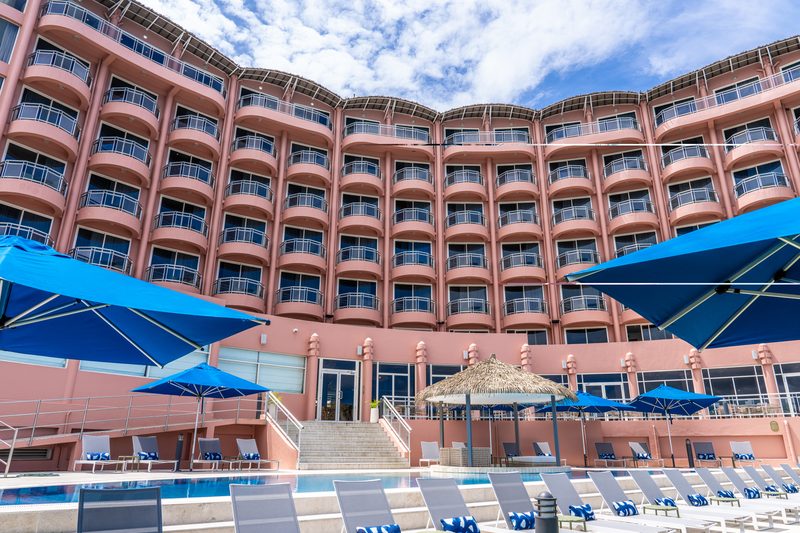
Where to Stay in Vanuatu in February
Hand-picked hotels across price tiers for February travellers.
Public Holidays in February
Dates that affect opening hours, transport and crowds
Father Walter Lini Day
Observed nationwide as a public holiday.
Father Walter Lini Day
Observed nationwide as a public holiday.
Packing Checklist
Bookmark this page — your progress is saved between visits
Need the full list with shopping links?
Climate-specific gear, brand recommendations, and what to leave at home.
View Vanuatu Packing List →Essential Tips
Insider knowledge and common pitfalls to avoid
Insider Knowledge
Kava is the social currency of Vanuatu. February evenings are when the nakamals, open-air kava bars, usually just a corrugated roof, a few benches, and a dim bulb, fill with locals unwinding after the day's heat. The protocol matters. You drink the shell in one go. It is earthy, peppery, and numbs your lips. You spit to the side. You do not chase it with anything sweet. The good nakamals in Port Vila are not on the waterfront. They are in the backstreets behind the market, where the kava is mixed fresh and strong from roots grown on Pentecost or Tanna. Ask at your accommodation which nakamal has the best kava that week. It rotates. Locals track it like wine vintages.
February is mango season in Vanuatu, and the fruit is everywhere, hanging from trees in every yard, piled on plastic sheets at the roadside markets along the Efate ring road, offered to you by kids in villages. The Vanuatu mango is smaller and more fibrous than the Thai or Indian varieties you might know. But the flavour is intensely sweet with a resinous, almost piney edge. Eat them over the sea or a sink, because the juice runs down your arms. The other February fruit to seek out is naus (Tahitian chestnut), roasted over coals until the shell cracks and the flesh inside tastes like a sweeter, creamier chestnut.
Port Vila's central market is the best place to eat in the capital, and it is not close. The mama vendors on the upper level cook island food to order, laplap (grated root vegetable baked in banana leaves with coconut cream), tuluk (meat-stuffed laplap parcels), and fresh reef fish grilled over coconut husks until the skin blackens and the flesh underneath stays white and flaky. The smells alone, charcoal, coconut, the green tang of banana leaf, are worth the visit. Go before 11am. By early afternoon the best dishes are sold out and the heat makes the upper level oppressive.
If a cyclone warning is issued during your trip, do not panic. But do act. Your accommodation will know the drill better than any guidebook. The key moves: fill water containers (municipal supply may cut), charge all devices, move to a concrete structure if you are in a bungalow or over-water fale, and stay away from the waterfront. Vanuatu's early warning system has improved substantially since Cyclone Pam, and locals are practiced at preparation. The storm itself is less dangerous than the increase and flooding that follow. Most disruptions last 24-48 hours, after which flights and services resume surprisingly quickly, ni-Vanuatu resilience in the face of weather is something you come to respect.
Avoid These Mistakes
Booking a rigid, multi-island itinerary with no buffer days. This is the single biggest mistake visitors make in February. You cannot treat Vanuatu's domestic flight schedule in wet season like a European rail timetable, flights to Tanna, Santo, and the outer islands cancel or delay regularly when weather closes in. Build at least one spare day into every inter-island connection, and keep your final two nights on Efate near the international airport. Travellers who book a tight Tanna-Santo-Efate circuit in February routinely miss their international flight home.
Underestimating the sun because the sky is overcast. February in Vanuatu delivers some of its worst sunburns on cloudy days, because visitors assume the grey sky means protection. It does not, the UV penetrates cloud cover at this latitude with barely any reduction, and the humidity makes you sweat off sunscreen faster than you reapply it. Apply before you leave your room, reapply every ninety minutes, and wear a hat even when the sky looks like rain.
Skipping Vanuatu's food in favour of resort restaurants. The resort buffet exists for convenience, not quality. Port Vila's central market, the roadside stalls along the Efate ring road, and the village feasts you will be invited to if you stay outside the tourist corridor serve food that is fresher, more interesting, and far more affordable. Laplap cooked in a ground oven, fresh coconut crab when in season, and reef fish grilled minutes after it was caught, this is the food worth travelling for, and you will not find it in a resort dining room.
Ready to plan your trip to Vanuatu?
Now that you've got the research covered, here's where to go next.
Explore More Activities in Vanuatu
Didn't see anything interesting yet?
Browse Viator's full catalog of tours, day trips, food experiences, and private guides in Vanuatu.
See All Vanuatu Tours on Viator